
Neurologist in Vijayawada
- Home
- Services
- Neurology
Neurology is one of the vital branch of medicine that deals with the study and treatment of disorders of the nervous system. The nervous system is a complex as well as a sophisticated system that regulates and coordinates all the body activities. Nervous system is divided into two major divisions: 1. Central nervous system: the brain and spinal cord and 2. Peripheral nervous system: all other neural elements, such as eyes, ears, skin, and other "sensory receptors". The major nervous system disorders can be mentioned as Neuropathy, Dementia, Stroke, Encephalopathy, Parkinson's disease, Epilepsy, Meningitis, Muscular dystrophy, Migraine, Attention deficit/Hyperactivity disorder.
Make an appointment with a Neurologist at neurocare clinics in Vijayawada
Peripheral neuropathy also called as neuropathy describes disease affecting the peripheral nerves, which means nerves beyond the brain and spinal cord. Damage to peripheral nerves may impair sensation, movement, gland, or organ function depending on which nerves are affected; in other words, neuropathy affecting motor, sensory, or autonomic nerves results in different symptoms. Consult
Dementia is noticeable with a set of related symptoms when the brain is damaged by injury or disease. The symptoms involve impairments in memory, thinking, and behaviour includes emotional problems, difficulties with language, and decreased motivation. It negatively impacts the person's ability to function and carry out everyday activities.
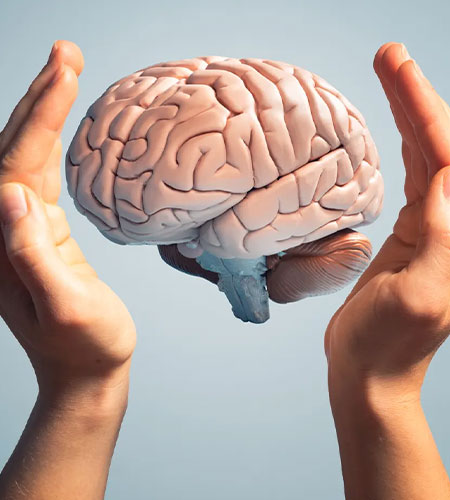
The stroke is a medical situation where the poor blood flow to the brain causes cell death in brain. Stroke is of two types: 1. ischemic, due to lack of blood flow, and 2. hemorrhagic, due to bleeding. Signs and symptoms of a stroke may include the inability to move or feel on one side of the body, also problem in understanding or speaking, or loss of vision to one side.
Encephalopathy implies any issue or infection of the cerebrum, particularly persistent degenerative circumstances. In current use, encephalopathy doesn't allude to a solitary infection, but instead to a disorder of overall brain dysfunction; this condition has numerous conceivable natural and inorganic causes.
Parkinson's disease is a long-term degenerative disorder of the central nervous system that mainly affects the motor system. The symptoms usually emerge slowly, and as the disease worsens, non-motor symptoms become more common. The most obvious early symptoms are tremor, rigidity, slowness of movement, and difficulty with walking. Cognitive and behavioural problems may also occur with depression, anxiety, and apathy occurring in many people with Parkinson's disease.
Epilepsy is a group of non-communicable neurological disorders characterized by recurrent epileptic seizures. Epileptic seizures can vary from brief and nearly undetectable periods to long periods of vigorous shaking due to abnormal electrical activity in the brain.
Meningitis is an acute inflammation of the protective membranes covering the brain and spinal cord, known collectively as the meninges. The most common symptoms are fever, headache, and neck stiffness.
Muscular dystrophies are a genetically and clinically various group of rare neuromuscular diseases that cause progressive weakness and breakdown of skeletal muscles over time.
A migraine is a primary headache disorder characterized by recurrent headaches that are moderate to severe. Typically, episodes affect one side of the head, are pulsating in nature, and last from a few hours to three days. Associated symptoms may include nausea, vomiting, and sensitivity to light, sound, or smell.
Consult Dr. Balakrishna Sanampudi who is the best Neurologist in Vijayawada at neurology hospital